Tips for Creating Inclusive Events for Diverse Age Groups
As event organizers, fostering inclusivity is essential, especially when planning activities that cater to a diverse age range. This article explores practical tips for creating events that resonate with participants aged 40 to 60, while also considering younger attendees. By implementing these strategies, you can enhance engagement and enjoyment for all.
Understanding the Importance of Inclusivity
Creating inclusive events is not just a moral obligation; it's also a proven approach to enhancing community engagement. According to research by the Event Marketing Institute, inclusive events can lead to increased attendance and participant satisfaction, making them more enjoyable for everyone involved. Many experts recommend considering the diverse needs and preferences of attendees to facilitate a welcoming atmosphere.

"Inclusivity is about more than just representation; it's about creating an environment where everyone feels valued and engaged."
Tips for Designing Inclusive Events
- Assess Your Audience: Before planning, conduct surveys or informal interviews to gauge the interests and preferences of potential attendees. Understanding their needs can help you tailor activities that appeal to a wide age range.
- Choose Accessible Venues: Location matters significantly. Ensure that your venue is accessible to individuals with mobility challenges and is equipped with necessary facilities. Industry standards suggest that accessibility should be a priority for any event space.
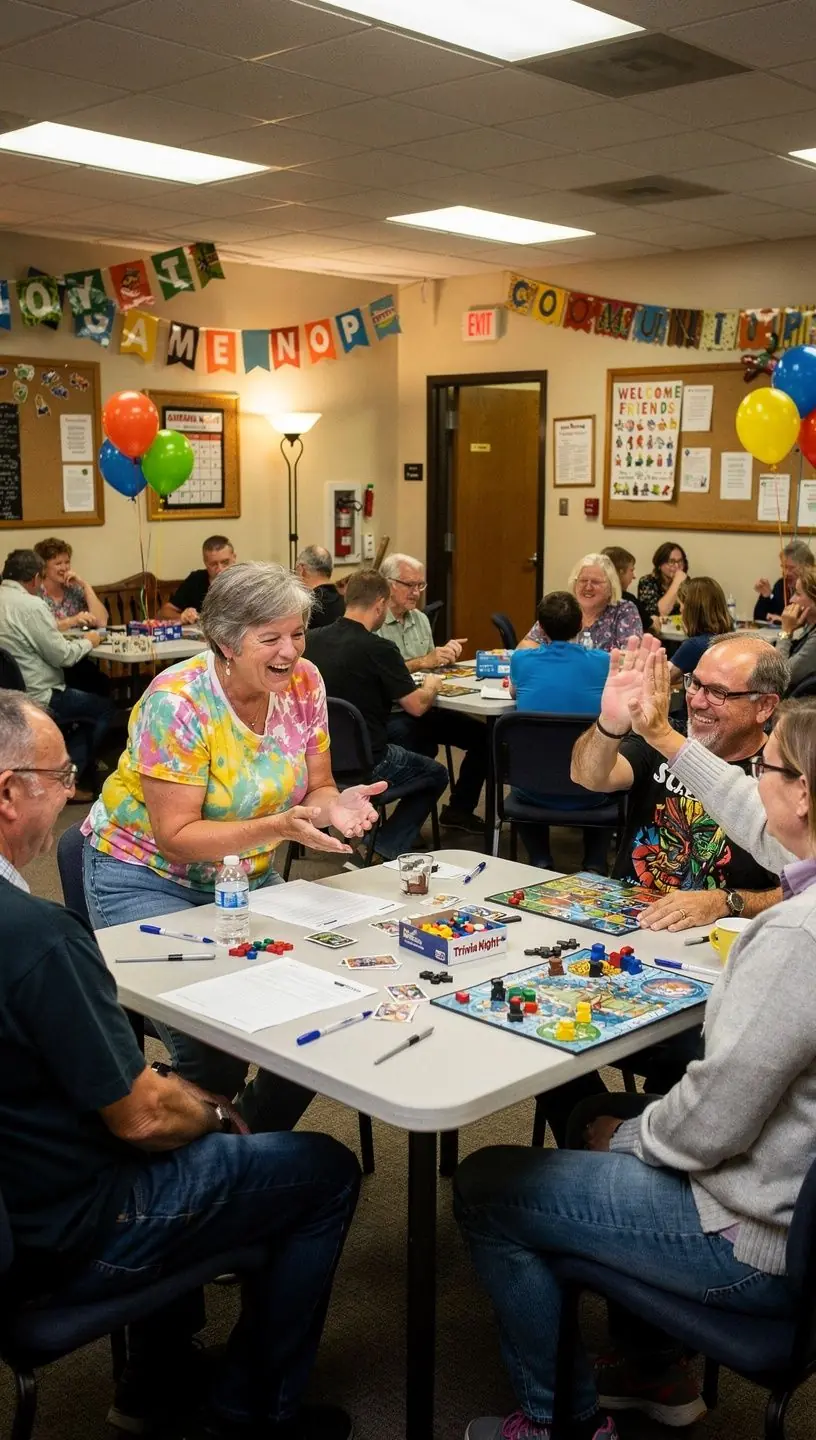
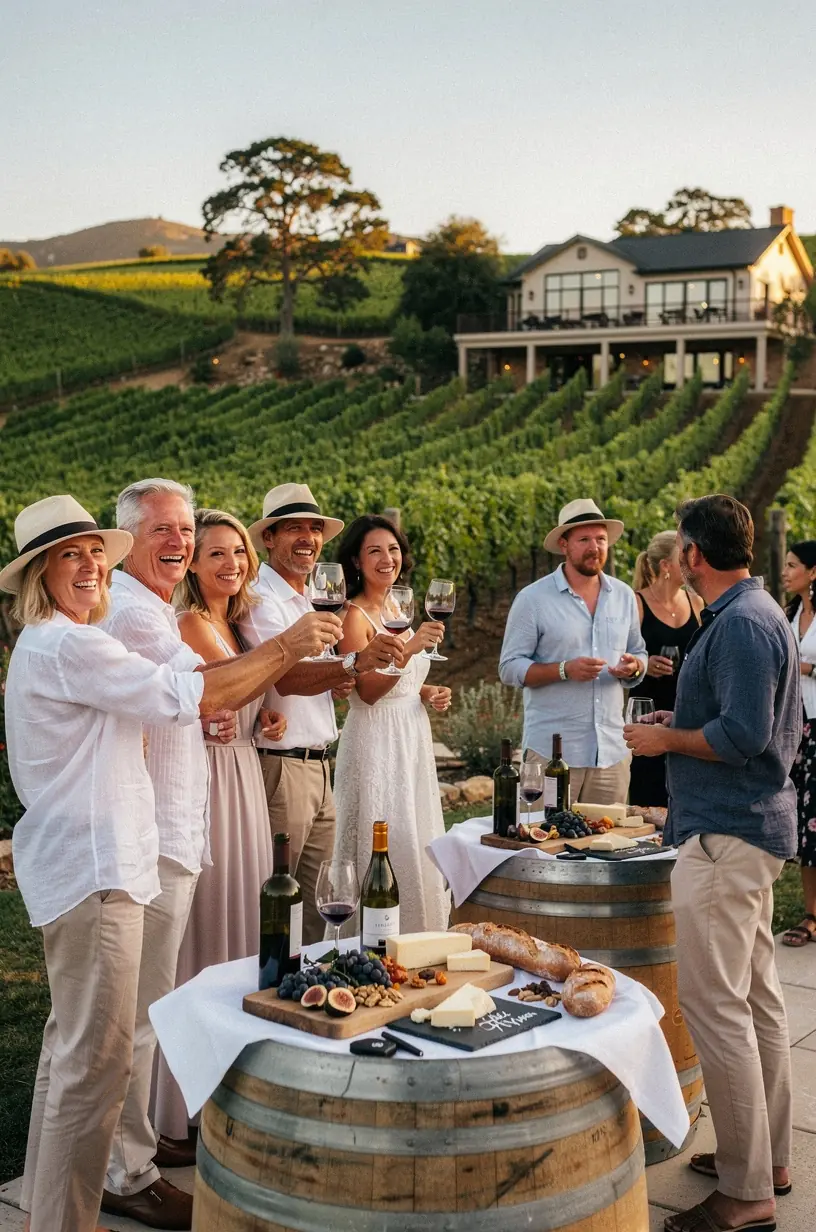
- Diverse Programming: Offer a variety of activities that cater to different age groups. Consider incorporating live music, workshops, and recreational activities that appeal to both younger and older audiences. Research indicates that events with varied programming typically see higher participation rates.
- Encourage Interaction: Create opportunities for interaction among attendees. Icebreaker activities or collaborative workshops can help break down barriers and foster connections between participants of varying ages. This approach helps create a sense of community, which is often cited as a key element of successful events.
- Solicit Feedback: After your event, gather feedback from participants to understand their experiences. This can be done through surveys or open discussions. Experts recommend this practice as it allows organizers to make informed improvements for future events.
Acknowledge Limitations and Set Expectations
While implementing these strategies can significantly improve the inclusivity of your events, it’s important to recognize the time and effort involved. Typically, planning an inclusive event can take several weeks, as it requires careful consideration and coordination. Moreover, not every strategy may work for every situation; some approaches may need to be tailored to suit specific community needs or demographics.
Conclusion
Creating inclusive events for diverse age groups is a multifaceted process that requires understanding, planning, and execution. By assessing your audience, choosing accessible venues, offering diverse programming, encouraging interaction, and soliciting feedback, you can foster a welcoming environment that resonates with attendees aged 40 to 60 and beyond. Remember, while these strategies can enhance your events, they require time and dedication to effectively implement. Start small, gather insights, and iterate on your approach to ensure a positive experience for everyone involved.
Learn More