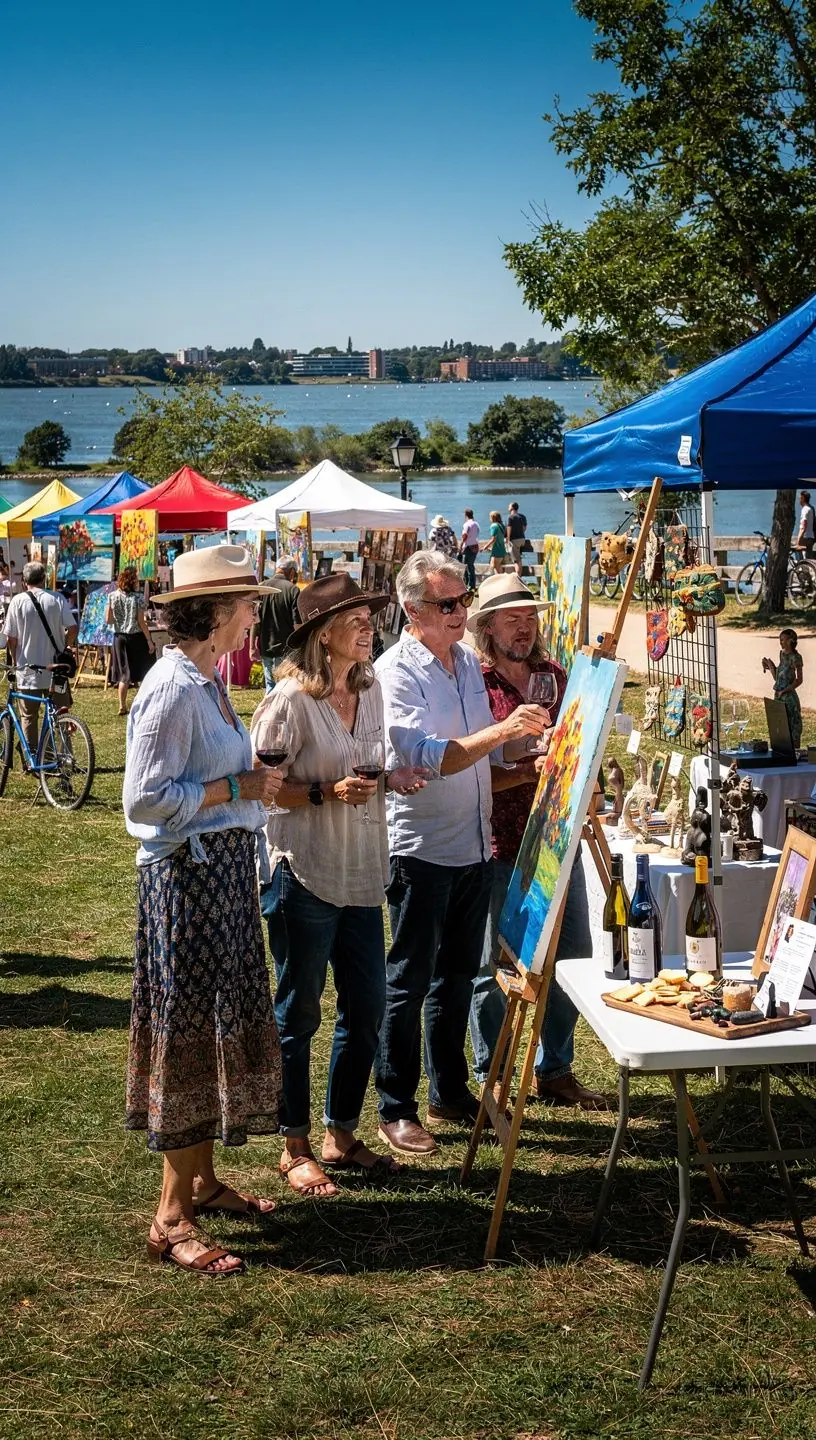
Understanding Local Event Planning for Mature Audiences
Planning local events that resonate with a mature audience requires an understanding of their preferences and lifestyle. This article explores practical insights and strategies that can help organizers create engaging and memorable experiences for individuals aged 40 to 60.
Understanding the Audience
According to recent studies, those between the ages of 40 and 60 prioritize community engagement, social interaction, and recreational activities. As this demographic often seeks meaningful connections, event planners can benefit from understanding their unique needs and preferences. Research indicates that events tailored to this audience typically have higher engagement and satisfaction rates.

"Understanding your audience's preferences is crucial for successful event planning." - Event Planning Expert
Key Considerations in Event Planning
When planning events for a mature audience, several factors should be considered:
- Accessibility: Many attendees may have mobility challenges. Venues should be easily accessible, providing adequate seating and facilities.
- Variety of Activities: Offering a range of activities can cater to diverse interests. This may include music, art, wellness workshops, and social gatherings.
- Communication: Clear communication is essential. Utilize various channels, such as social media, email newsletters, and community boards, to reach potential attendees effectively.
Effective Event Strategies
Implementing the right strategies can significantly enhance the planning and execution of events aimed at mature audiences:
- Engage with the Community: Collaborate with local organizations and community leaders. This approach can provide valuable insights into what the audience desires and help foster a sense of belonging.
- Gather Feedback: After each event, collecting feedback from attendees can inform future planning. Many organizers find that survey results can guide improvements and adaptations.
- Promote Inclusivity: Events that promote inclusivity—whether through diverse programming or pricing strategies—tend to attract a broader audience. Research shows that inclusive environments enhance participant satisfaction.
Challenges and Limitations
While planning events for mature audiences can be rewarding, certain challenges exist. Organizers should be prepared for:
- Time Commitment: Effective planning often requires several weeks to months of preparation, depending on the scale of the event.
- Resource Allocation: Budget constraints may limit the types of activities or venues available. It’s essential to set realistic financial parameters early in the process.
- Marketing Efforts: Connecting with this demographic might require tailored marketing strategies, which can take time to develop.
Conclusion
Creating successful local events for a mature audience involves understanding their unique preferences and planning with care. By focusing on accessibility, offering diverse activities, and engaging with the community, event planners can foster enjoyable experiences that resonate with attendees. Acknowledging the potential challenges and time commitments necessary for effective planning is also crucial. Each event provides an opportunity to learn and improve, ultimately contributing to the cultural fabric of the community.
Learn More