Exploring the Benefits of Community Engagement for Adults
Engaging with your community can offer numerous benefits, especially for adults aged 40 to 60. This article examines how community involvement can improve well-being, foster social connections, and enhance overall quality of life.
Understanding the Importance of Community Engagement
Community engagement refers to the process of working collaboratively with members of a community to address issues that affect their well-being. According to studies, participating in community activities can significantly enhance mental and emotional health for adults. Research indicates that adults who are involved in local organizations or volunteer opportunities often report higher levels of happiness and lower levels of stress.
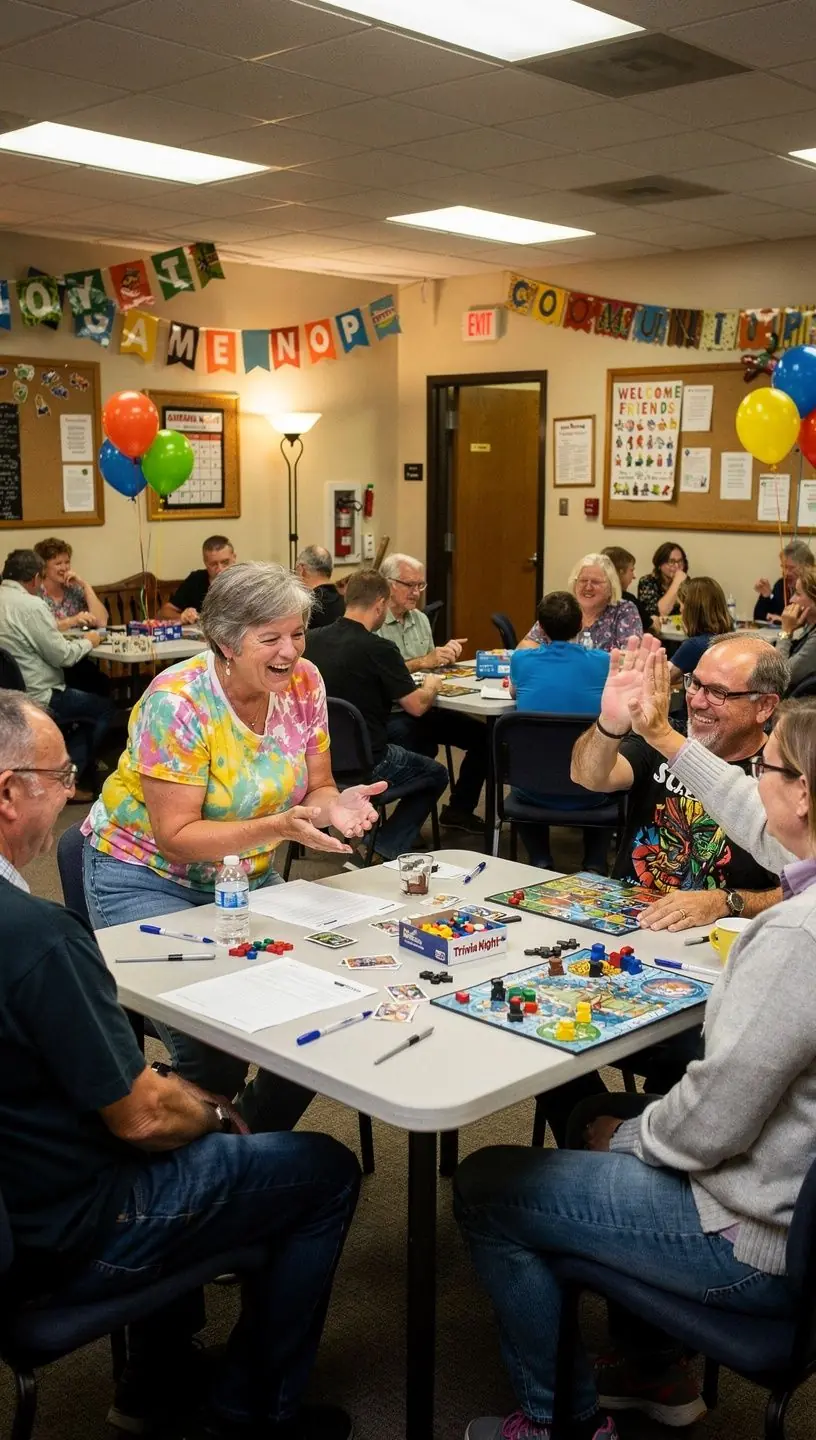
"Studies show that active community engagement can lead to a 20-30% improvement in overall life satisfaction." - Community Health Research Journal
The Mental and Physical Health Benefits
Engaging with your local community can improve both mental and physical health in a variety of ways:
- Reduced Loneliness: Many users report feeling less isolated when they participate in community events, which can help combat feelings of loneliness often experienced by adults in this age group.
- Increased Physical Activity: Many community activities involve physical participation, such as sports leagues or community gardening, which can promote a more active lifestyle.
- Enhanced Cognitive Function: Participating in group activities and discussions can stimulate mental processes, keeping the mind engaged and active.
Building Social Connections
Community engagement also fosters connections with others, which is critical for emotional health. In most cases, forming friendships within the community can provide a sense of belonging and support:
- Networking Opportunities: Many community events provide chances to meet individuals with similar interests, leading to friendships and collaborations.
- Support Systems: Being part of a community can help create a support network, important during challenging times.
- Shared Experiences: Group activities often create shared memories, strengthening bonds among participants.
How to Get Involved
While the benefits of community engagement are numerous, getting started can sometimes feel daunting. Here are practical steps:
- Identify Interests: Reflect on what activities you enjoy, whether it’s music, sports, arts, or volunteering.
- Research Local Opportunities: Look for local organizations or events that align with your interests. Websites and social media platforms are often useful for finding local events.
- Make a Commitment: Consider dedicating a specific amount of time weekly or monthly to participate. Consistency is key to reaping the benefits.
Challenges to Consider
While community engagement is beneficial, it often requires a commitment of time and effort. Many adults find it challenging to balance busy schedules with the need for social interaction. It's important to acknowledge these barriers and develop strategies to overcome them. For instance, setting aside regular time for community activities can help integrate engagement into your routine.
Conclusion
Engaging with your community can be a rewarding experience that enhances both mental and physical health. By taking small, manageable steps to get involved, adults aged 40 to 60 can enjoy improved well-being and stronger social connections. Remember, the journey to becoming more engaged in your community is often as beneficial as the outcomes themselves.