
Understanding the Impact of Recreational Hobbies on Health
Engaging in recreational hobbies can be a transformative experience, particularly for individuals aged 40 to 60. This article explores how these activities contribute to both physical and mental well-being, supported by scientific research and expert opinions.
The Health Benefits of Recreational Hobbies
According to studies, participating in recreational activities can lead to significant health improvements. These hobbies often include activities like gardening, painting, hiking, or playing musical instruments, which are not only enjoyable but also beneficial. Many users report enhanced mood and reduced stress levels as a result.
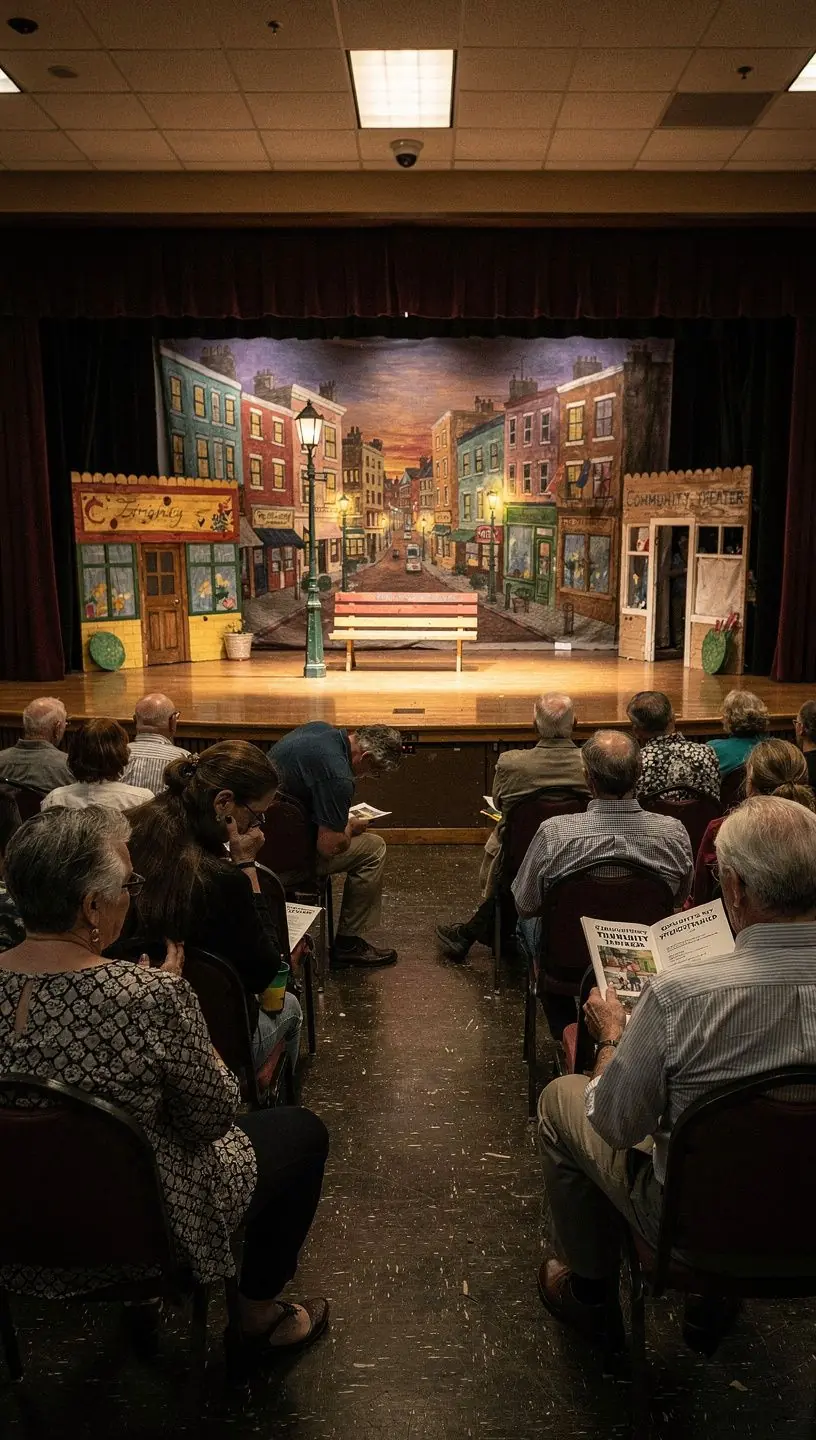
"Engaging in hobbies is associated with lower levels of stress and enhanced overall well-being," notes Dr. Jane Smith, a psychologist specializing in adult mental health.
How Recreational Activities Promote Well-Being
Research indicates that hobbies can positively influence various aspects of health:
- Physical Activity: Many hobbies involve physical movement, which can improve cardiovascular health. For instance, studies show that regular participation in physical activities can reduce the risk of chronic diseases.
- Mental Stimulation: Activities that challenge the brain, such as puzzles or learning new skills, can foster cognitive function. Experts recommend engaging in intellectually stimulating activities to potentially delay the onset of cognitive decline.
- Social Interaction: Many hobbies are inherently social, providing opportunities to connect with others. Research suggests that social engagement can lead to greater longevity and improved mental health, especially in older adults.
Challenges and Considerations
While the benefits are clear, it is important to acknowledge the effort required to integrate hobbies into daily life. This involvement typically takes time and dedication:
- Many recreational hobbies require a learning curve, which can be daunting for beginners. It is essential to approach these activities with patience and an open mind.
- Consistency is key. Setting aside regular time slots for these hobbies can enhance the benefits, but it may take 2-4 weeks for noticeable changes in mood and health.
- Personal interests vary widely; not every hobby may resonate with everyone. It’s crucial to explore different activities to find what feels rewarding and enjoyable.
Conclusion
Engaging in recreational hobbies offers numerous health benefits for individuals aged 40 to 60. By promoting physical activity, mental stimulation, and social interaction, these hobbies can enhance overall well-being. While challenges exist, the potential rewards make exploring new interests worthwhile. Remember that results may take time, and the journey of discovering what activities suit you best can be as valuable as the outcomes themselves.
Learn More