How to Organize a Neighborhood Block Party Effectively
Organizing a block party can be a delightful way to foster community spirit and enjoy local culture. This guide provides practical insights on how to plan a successful neighborhood gathering, ensuring that it is enjoyable and accessible for all residents, particularly those aged 40–60.
Understanding the Basics
Block parties typically serve as a social gathering space where neighbors can connect, share experiences, and enjoy recreational activities. According to community development research, such gatherings can enhance neighborhood relationships and create a stronger sense of belonging. Experts recommend that effective organization begins with clear communication and planning.
"Neighborhood gatherings can reduce isolation and improve the quality of life, especially for older adults." - Community Development Expert
Planning Your Block Party
When organizing a block party, several key steps can help ensure a smooth and enjoyable experience:
- Set a Date and Time: Choose a day that typically has good weather and is convenient for most residents. Weekends are often ideal. Aim for a time that allows for sufficient daylight, typically late afternoon to early evening.
- Communicate with Neighbors: Use flyers, community boards, or social media groups to inform everyone about the event. Research shows that early communication can increase participation rates. This works best when you involve everyone in the planning stage.
- Budgeting: Determine if you will ask for contributions or seek sponsorships from local businesses. Setting a realistic budget can help plan for food, entertainment, and any necessary permits.
Logistical Considerations
Logistics play a crucial role in the success of your block party. Here are some areas to consider:
- Permits and Regulations: Check with local authorities regarding necessary permits. This is important to comply with city regulations and ensure safety.
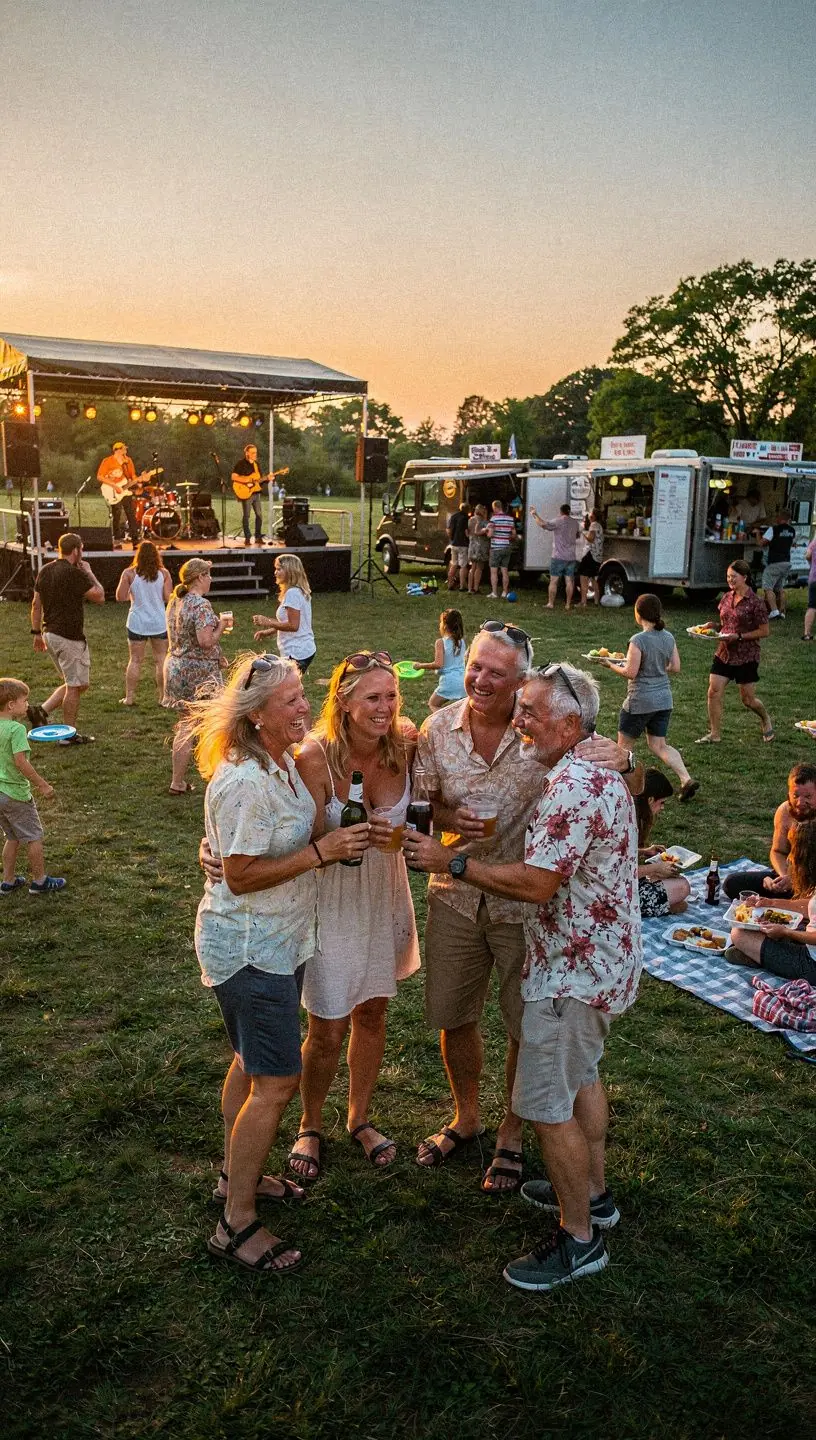
- Incorporate Activities: Plan a mix of activities to cater to different interests. Popular options include games, live music, or potluck-style food sharing. Research indicates that including varied activities can appeal to a broader audience.
- Safety and Accessibility: Ensure that the venue is accessible for individuals with mobility issues. Additionally, consider safety measures, such as first aid kits and designated areas for food to avoid any cross-contamination.
Engaging the Community
To foster a genuine sense of community, it’s often beneficial to involve neighbors in planning activities. This may include:
- Assigning Roles: Gathering volunteers to help with tasks can lighten the workload and encourage participation. Many users report feeling more invested when they have a role in the planning process.
- Feedback Mechanism: After the event, gather feedback to understand what worked well and what could be improved for future gatherings. A simple survey or informal discussions can be effective.
Conclusion
Organizing a block party can be a rewarding endeavor that enhances community ties and fosters lasting relationships. By following these practical steps and remaining adaptable to feedback, you can create an inviting atmosphere where neighbors feel included and engaged. Remember, the key to a successful block party is planning, communication, and a genuine desire to bring people together.
Learn More